
As major injuries and fouls abound, it’s time for protective equipment in the WNBA.
According to WNBA star and Dallas Wing’s Paige Bueckers, the Federation Internationale de Basketball or FIBA World Cup this summer was 10-times more physical than the WNBA. Wow! The WNBA is already physical enough. Too physical for Ms. Basketball Muse.
For example, three WNBA players sustained season-ending injuries while playing in the FIBA World Cup basketball games. Among them are Connecticut’s Kennedy Burke with a sprained right shoulder joint playing for Turkey; Seattle’s Ezi Magbegar tore her anterior cruciate ligament playing for Australia; and Dallas’s Alanna Smith sustained a lower leg injury also playing for Australia. Many more players returned to WNBA action on the disabled list for fingers, ankles, feet, knees, backs, groin, reconditioning, illness, rest and personal.
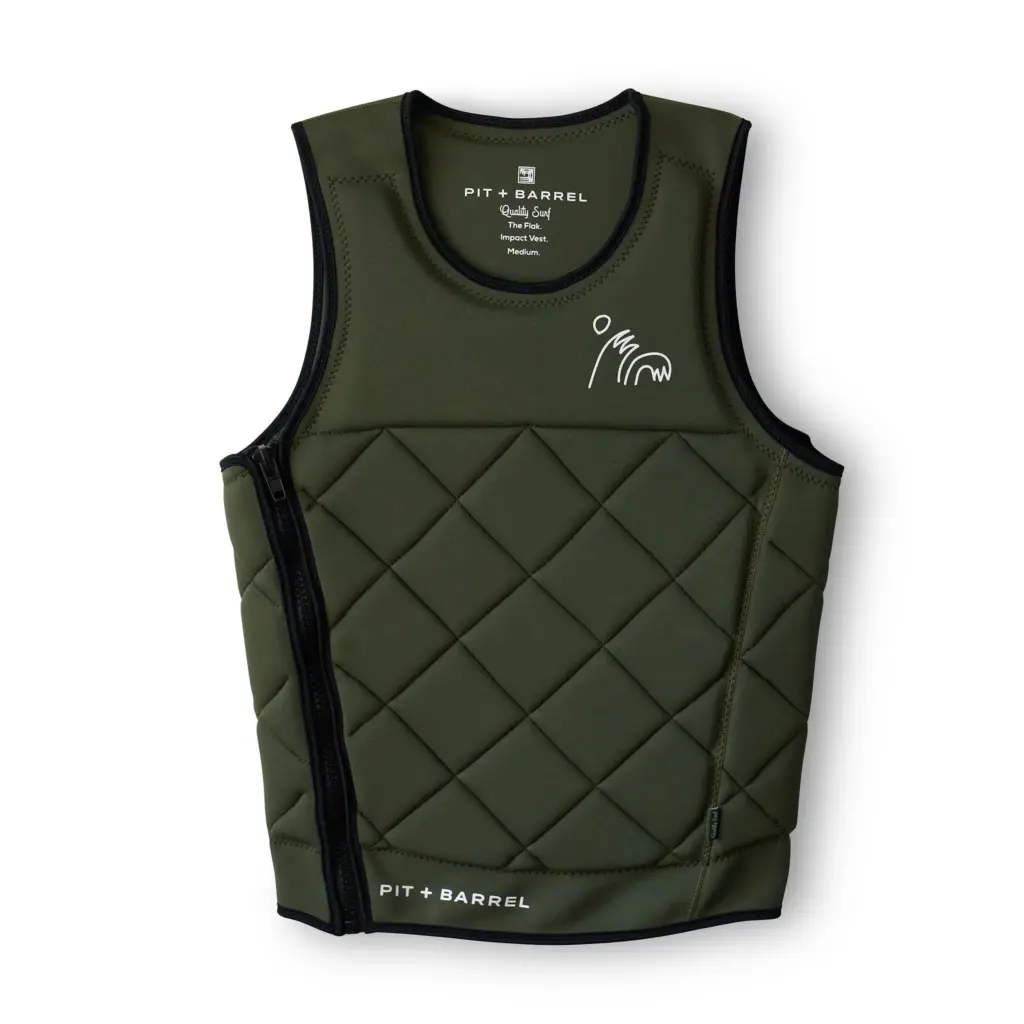
It’s time for WNBA players to wear protective equipment during games. What comes to mind are gear and features borrowed from lacrosse, hockey, football, or a flak vest (below).
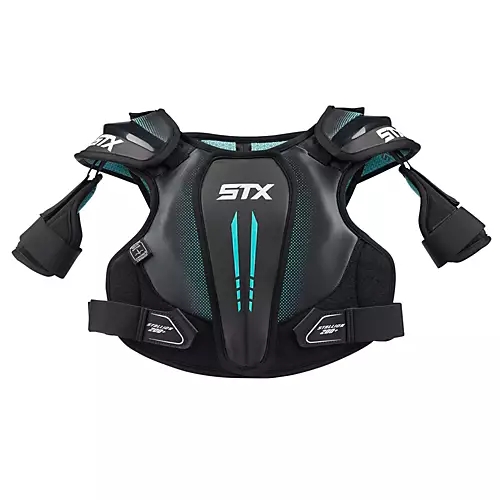
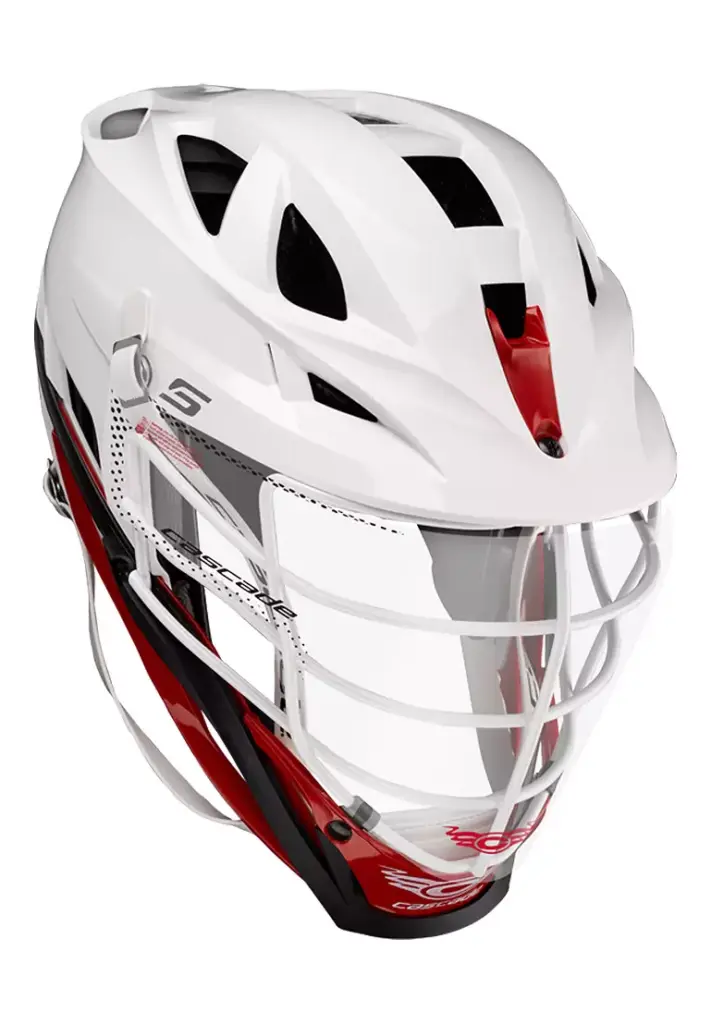
From lacrosse perhaps goggles or an eye mask. It protects the eyes while maintaining visibility. A mouth guard fitted to protect the mouth area and teeth. Boys lacrosse offers shoulder and arm pads (below). They appear not as bulky or cumbersome as hockey equipment (helmet below). But impractical for shooting and upward movements involving fine motor skills. Basketball offers knee/elbow and shin pads when aggressive play lands someone on the hardwood floor.
The most interesting and practical piece of equipment is the Xena Women’s Chest Protector Vest (below). It has chest, breast and rib protection. It allows more freedom of movement and it is manufactured with an injection molded panel. The Z-Tech foam takes the force of an impact and spreads it across the whole panel. The Z-Tech is open cell. Air moves through and it bends with the wearer. It turns a single point of force into a wide, shallow one. Football, martial arts and rugby players recommend the Xena vest. One reviewer stated “it acts like its iron-plated.” The vest is not visible under a playing jersey. It appears the most appropriate and functional gear for physical basketball play.

Kudos to marketing, as Xena (the Warrior) is a perfect name for the protective vest. Xena’s Warrior Princess fights evil and helps free people from tyranny and injustices. She wears only body armor. Perfect name for the protection gear. Xena Princess Warrior (below) is a sword-and-sorcery television series filmed in New Zealand from 1995 to 2001. Series acclaim for its strong female protagonist. Xena is played by Lucy Lawless.

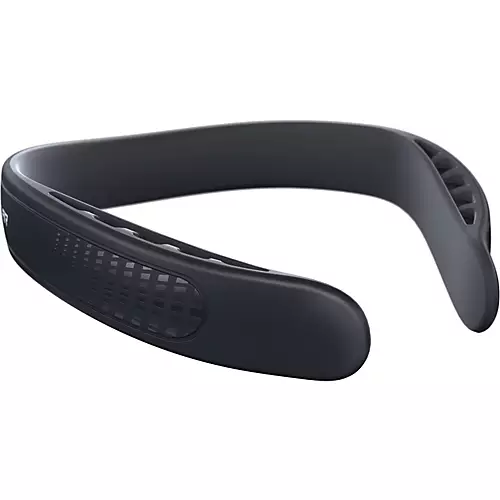
Another interesting protective item is Q30’s QCollar (below), which is a hard head band worn around the neck. It protects the brain from the effects of repetitive sub-concussive head impacts. It applies gentle pressure to the sides of the neck to reduce the brain’s movement inside the skull. Connecticut’s Caroline DuCharme likely wore this band following several basketball-related head injuries and lingering concussion symptoms.
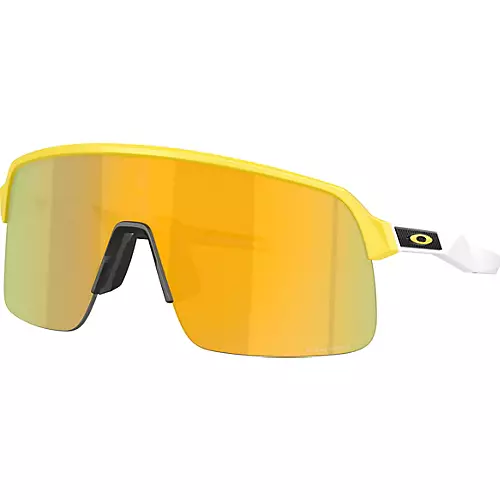
The Atlanta Dream’s Allisha Gray wears protective eye wear during games-her own Nike signature pair. Oakley offers Sutro Lite Sunglasses (below) that look cool and increase the field of view, enhance color and contrast, plus provide impact protection.
Besides the need for protective gear, the in-game rules need an update. Especially in the area of fouls, fouling and excessive physicality. If no gear or protective equipment are employed, then decrease the number of personal fouls from six to four. Players would be more careful and judicious in displaying their physical exuberance. Otherwise, one would be watching action from the bench. Or, unable to return to the court from fouling out. Both, unwanted outcomes. This rule change should reduce the physical activity that prevents freedom of movement. Contact if any, would be incidental. Not fighting for position, hip checks, entangled arms and legs. Its not Rock’em-Sock’em Robots.

Or, propose that flagrant fouls count as two personal fouls, one for the physical act and the second for disrespecting the game and/or opposing player. Add free throws and possession. This should curb flagrant fouling.
Even in the current WNBA Playoff Semi-Finals injuries abound. Atlanta’s Allisha Gray departed with a dominant hand injury. Four Las Vegas Aces sustained leg injuries. Even Valkyries Coach, Natalie Nakase collapsed from exhaustion during a game, although a non-physical incident. The number of teams fouls is very high for a 40-minute game, for example, Atlanta 26 and Washington 27 fouls for a combined 53 fouls on September 30, 2026. On the same date Golden State committed 28 and Dallas 22 fouls, respectively. Too many.
If the WNBA goes in the FIBA direction allowing ten times more contact and physical play, then players need protective equipment. Otherwise out-for-the-season injuries will soar. League rosters will be lead by developmental players now in the Upshot League.
Absent these rule changes, its time to insist upon protective equipment for WNBA players.
No copyright infringement is intended for use of photos or images in this Post.